Assessment
Understanding your symptoms, diagnosis and treatment goals is the first step.
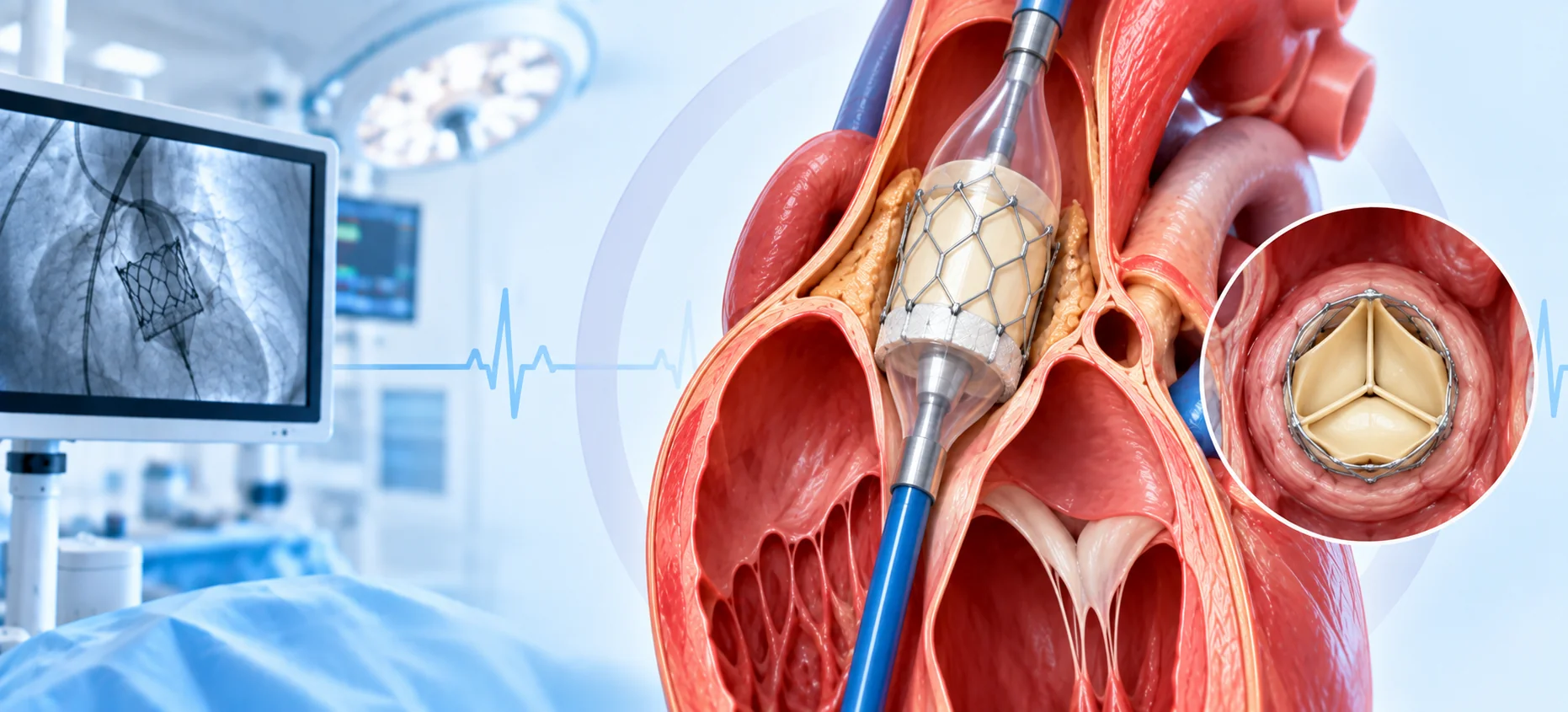
Structural heart interventions use catheter-based techniques to treat selected abnormalities involving the heart's valves or other structures.
These procedures are planned around the patient's anatomy, symptoms, heart function and overall clinical situation.
Suitability is determined after specialist assessment and detailed cardiac imaging. The treatment approach depends on the specific structural condition.
Understanding your symptoms, diagnosis and treatment goals is the first step.
Imaging, anatomy and clinical findings help determine the appropriate approach.
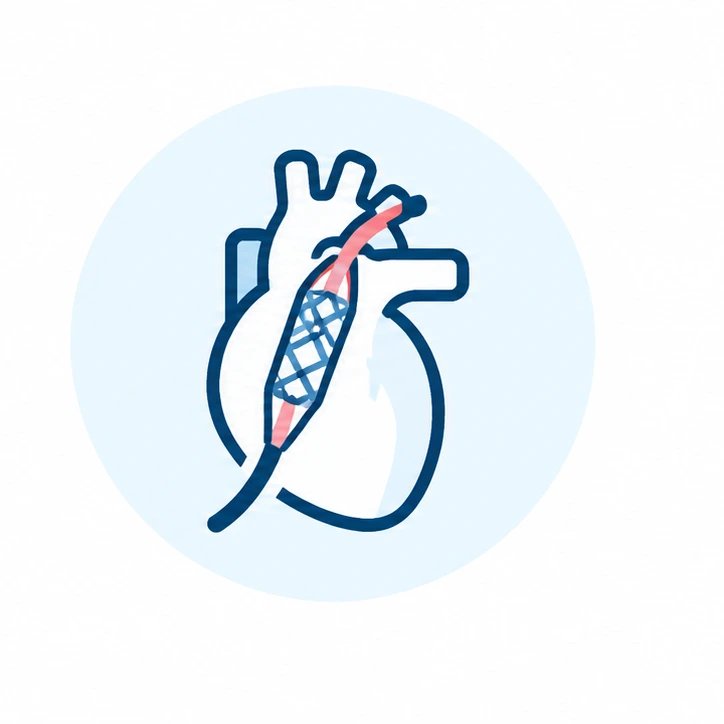
The selected catheter-based technique is performed with continuous clinical monitoring.
The structural abnormality is evaluated using clinical assessment and appropriate cardiac imaging.
The anatomy, risks and available treatment options are reviewed to identify an appropriate strategy.
A selected device or catheter technique is used to treat the structural abnormality.
Heart function and recovery are monitored with planned follow-up.
Structural heart treatment is highly individualised and depends on the specific condition and anatomy.
A personalised consultation can help you understand your diagnosis, available options and the next appropriate step.
Clear answers to common questions about symptoms, evaluation and treatment.
View All FAQs →Peripheral artery disease is atherosclerotic narrowing of arteries outside the heart, most commonly in the legs, neck vessels, or to the kidneys. It increases risks related to the effected limb, kidneys, brain, or to the heart.
Cramping calf or thigh pain that predictably appears with walking and improves with rest may be claudication from peripheral artery disease. Joint, nerve, and muscle problems can cause similar symptoms.
Diagnosis is based on symptoms, examination, ankle-brachial index, Doppler ultrasound, and when needed CT, MR, or catheter angiography.
Yes. Selected peripheral blockages can be treated with balloons, stents, atherectomy, or other endovascular techniques, alongside exercise and medical therapy.
It is atherosclerotic narrowing of the arteries in the neck that supply blood to the brain. Severe disease can increase stroke risk.
