Assessment
Understanding your symptoms, diagnosis and treatment goals is the first step.
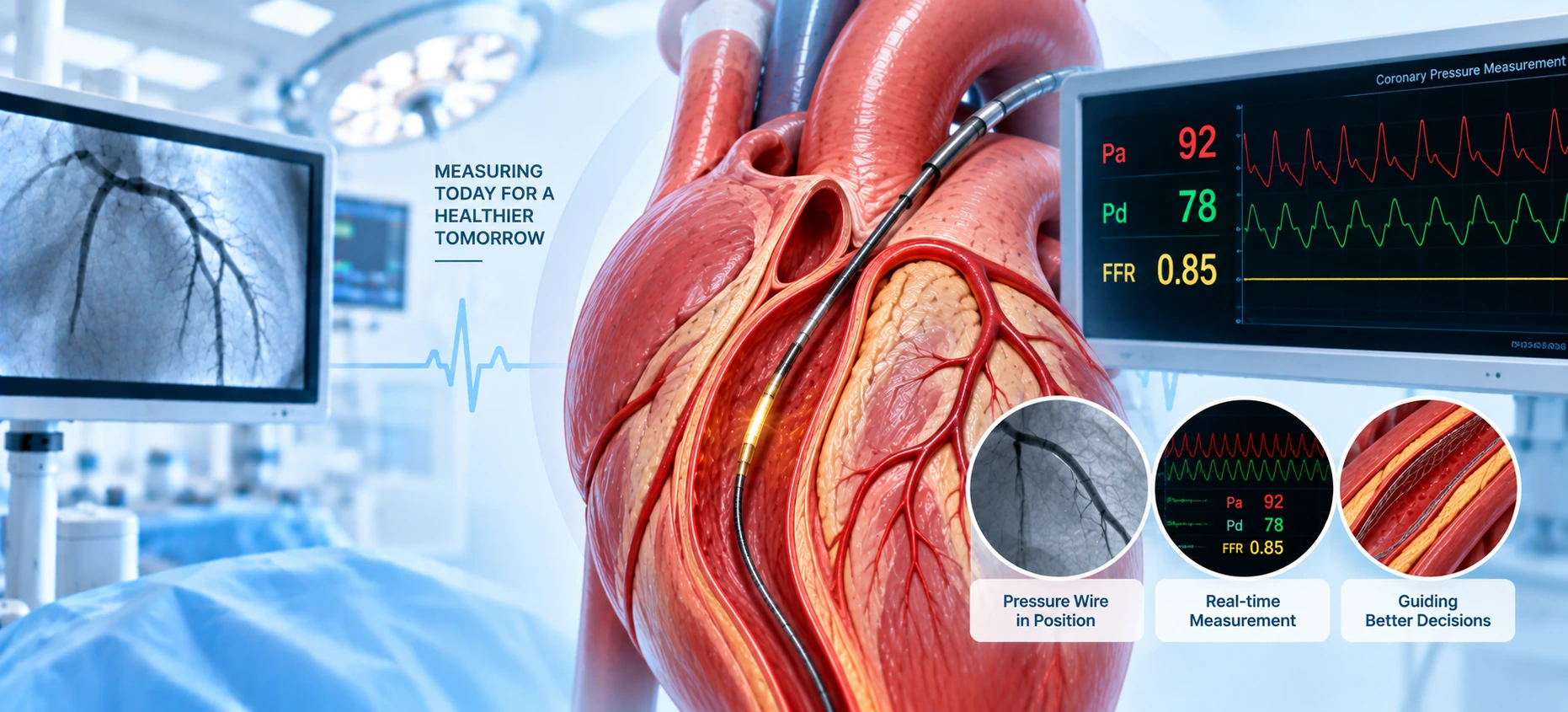
Invasive Hemodynamic Support uses catheter-based measurements to understand pressures and blood flow within the heart and major blood vessels.
It can provide detailed physiological information when a patient's clinical condition requires more than routine non-invasive assessment.
It may be considered when detailed pressure or flow measurements are needed to clarify a diagnosis, assess disease severity or support treatment planning.
Understanding your symptoms, diagnosis and treatment goals is the first step.

Imaging, anatomy and clinical findings help determine the appropriate approach.
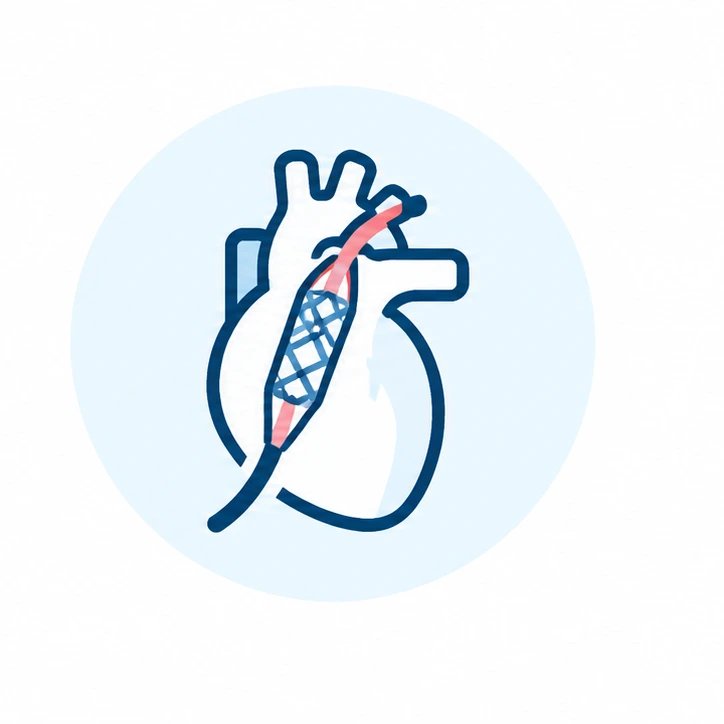
The selected catheter-based technique is performed with continuous clinical monitoring.
Symptoms, examination findings and previous investigations are reviewed to determine the need for invasive assessment.
A catheter is introduced through a blood vessel and positioned at the required location.
Measurements are obtained from relevant chambers or vessels to assess cardiac and vascular physiology.
The results are interpreted alongside other investigations to guide further management.
The need for Invasive Hemodynamic Support depends on the individual clinical situation and should be discussed with the treating cardiologist.
A personalised consultation can help you understand your diagnosis, available options and the next appropriate step.
Clear answers to common questions about symptoms, evaluation and treatment.
View All FAQs→It uses devices placed through blood vessels or surgery to help maintain circulation when the heart cannot pump enough blood.
It may be considered in selected patients with cardiogenic shock or during certain high-risk cardiac procedures. The decision depends on the patient’s condition and expected benefit.
Options include an intra-aortic balloon pump (IABP), catheter-based heart pumps such as Impella, and venoarterial ECMO. Each provides a different type and level of support.
The device supports circulation while doctors treat the cause, assess recovery or plan further treatment. It does not replace treatment of the underlying problem.
Duration depends on recovery and the treatment plan. The team reassesses regularly and reduces or removes support when appropriate; some patients need longer-term treatment.
