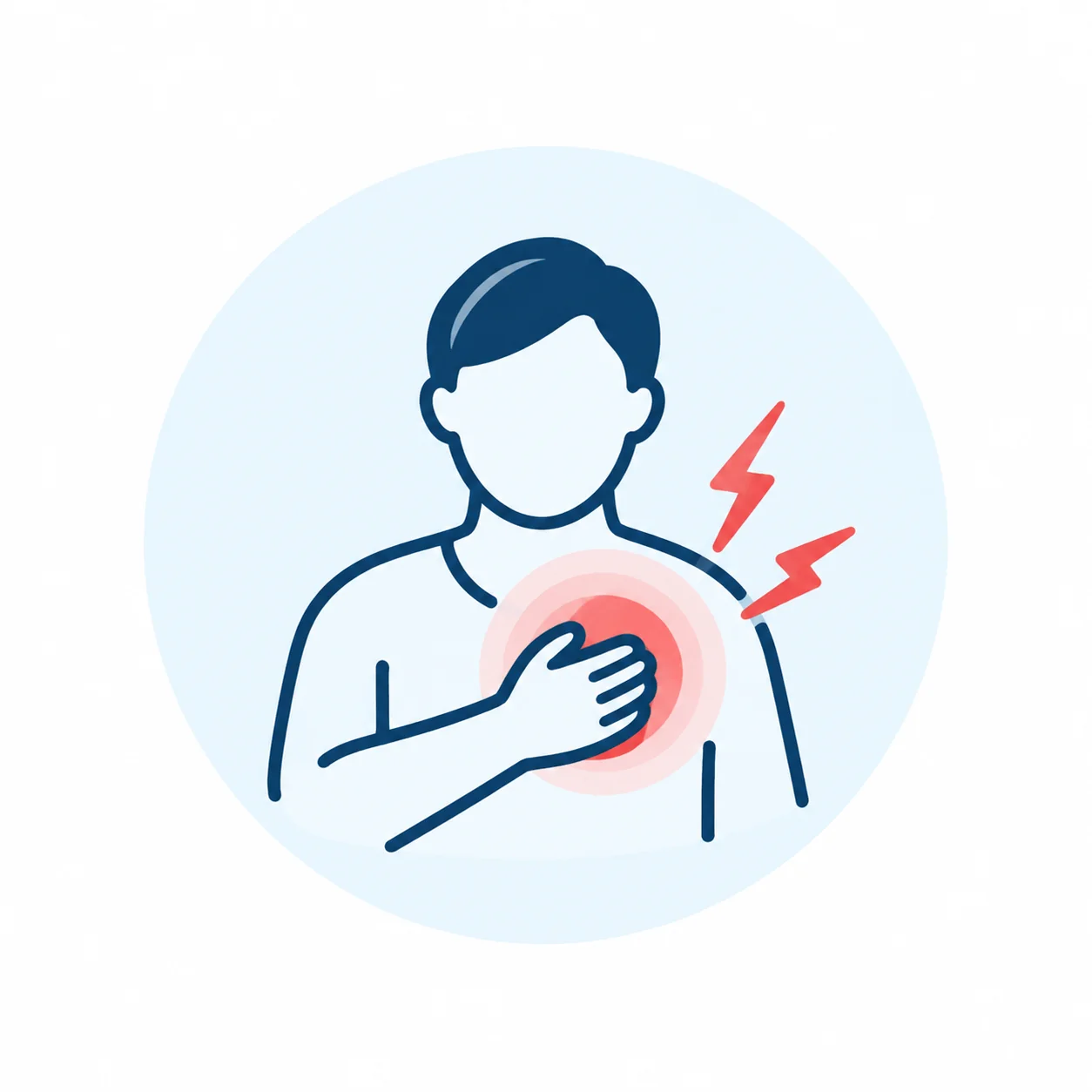
Chest Discomfort
Pressure, tightness, heaviness or discomfort in the chest can have different causes and should be evaluated when concerning or persistent.
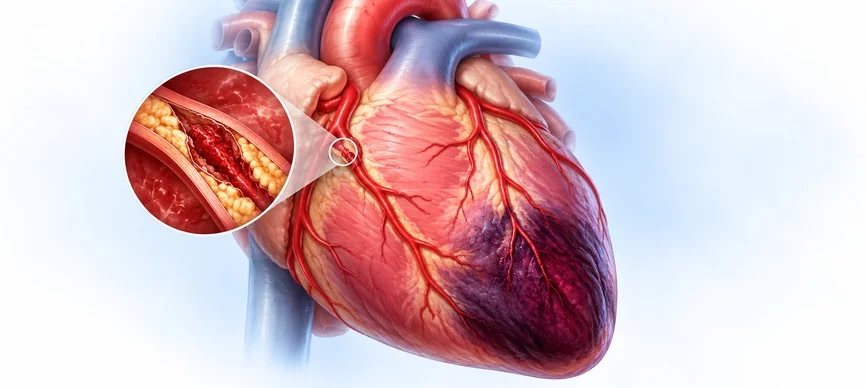
Heart-related symptoms can vary from person to person. Chest discomfort is one of the better-known warning signs, but heart problems may also present with breathlessness, unusual fatigue, dizziness or fainting.
Symptoms should be considered in context, particularly when they are new, severe, persistent or occur during physical activity.
Pressure, tightness, heaviness or discomfort in the chest can have different causes and should be evaluated when concerning or persistent.
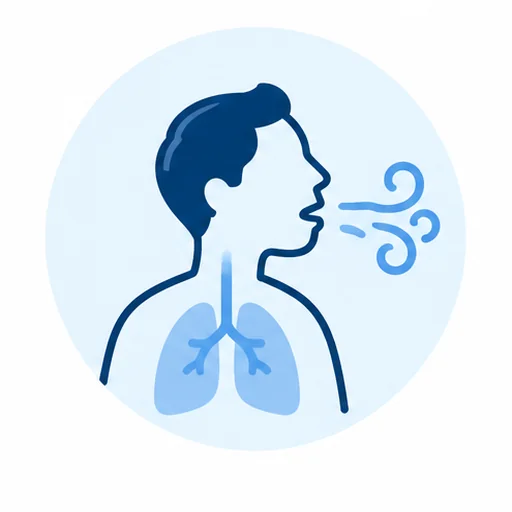
Unexpected shortness of breath, especially when accompanied by other symptoms, may require medical assessment.
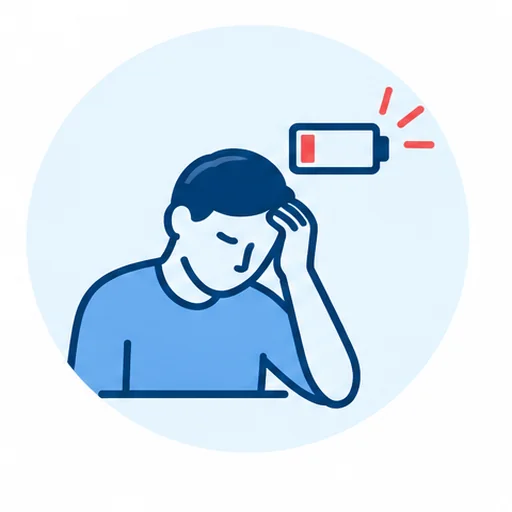
A sudden or unexplained reduction in energy or exercise capacity can sometimes accompany cardiovascular problems.
Note when symptoms started, what triggers them and whether they improve with rest.
A cardiologist can assess your symptoms alongside your medical history and cardiovascular risk factors.
Further investigations may be recommended depending on your symptoms and clinical findings.
Treatment depends entirely on the underlying cause of the symptoms. Depending on the diagnosis, management may include lifestyle measures, medications, monitoring or an appropriate cardiovascular procedure.
If symptoms are even remotely suggestive of a heart attack, it deserves an immediate check-up at the nearest emergency room. Any delay can be life-threatening
02If a heart attack is confirmed, it is treated with medicines and urgent angiography/stent placement, usually within minutes to hours.
03If a heart attack is ruled out, patients can either be kept in the hospital for 24 hours of observation or be sent to OPD for further assessment.
Do not waste time with home remedies. Seek urgent care in a hospital capable of managing heart attack and emergency angioplasty.
Clear answers to common questions about symptoms, evaluation and treatment.
View All FAQs→Most heart attacks occur when a cholesterol-rich plaque in a coronary artery ruptures or erodes, causing a blood clot that suddenly blocks blood flow to heart muscle.
Symptoms include pressure, heaviness or pain in the chest, sometimes spreading to the arm, shoulder, jaw or back. Sweating, breathlessness, nausea or dizziness may also occur.
Yes. A heart attack may cause breathlessness, sweating, nausea, unusual fatigue or upper abdominal discomfort without chest pain. Some heart attacks have few noticeable symptoms, particularly in older adults and people with diabetes.
Seek emergency medical help immediately and call an ambulance where available. Keep the person resting and do not let them drive themselves. Do not delay care while trying home remedies.
A heart attack is a blood-flow problem that damages heart muscle. Cardiac arrest occurs when the heart suddenly stops pumping effectively, causing collapse and unresponsiveness. A heart attack can trigger cardiac arrest, which requires immediate CPR and an AED when available.
