Breathlessness
Shortness of breath during activity or at rest may occur when a valve problem affects heart function.
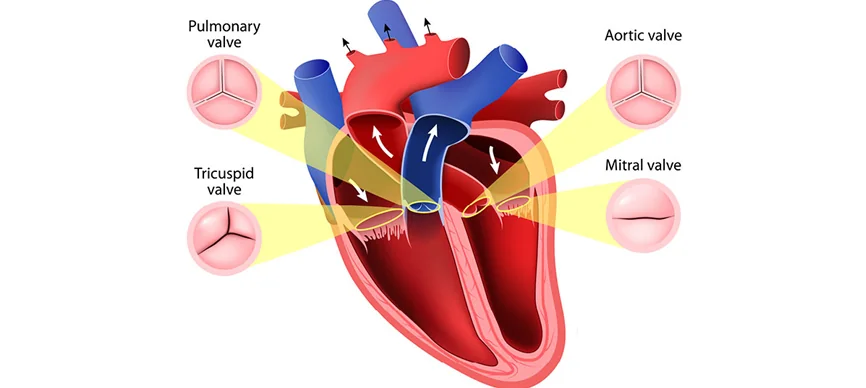
Heart valve conditions occur when one or more of the heart's valves do not open or close properly. This can affect the normal flow of blood through the heart.
Valve problems may involve narrowing of a valve, known as stenosis, or leakage when a valve does not close completely. Evaluation helps determine the severity of the condition and the appropriate treatment approach.
Shortness of breath during activity or at rest may occur when a valve problem affects heart function.

Unusual tiredness or reduced exercise capacity can sometimes be associated with significant valve disease.

Dizziness, near-fainting, or fainting episodes without any obvious cause could be due to valve problems.
Your symptoms, medical history and physical examination help determine whether further evaluation is required.
Imaging of the heart can help assess valve structure, function and the effect of valve disease on the heart.
Selected patients may require detailed assessment to determine the most appropriate management approach.
Surgery to repair or replace a damaged heart valve, based on the type and severity of valve disease.
02A catheter-based procedure to replace a narrowed aortic valve in suitable patients, without open-heart surgery.
03Catheter-based procedures may treat selected mitral, tricuspid or pulmonary valve conditions, depending on suitability.
Breathlessness, chest discomfort, fainting, or palpitations, either sudden or worsening over time, require immediate medical attention.
Clear answers to common questions about symptoms, evaluation and treatment.
View All FAQs→Aortic stenosis is narrowing of the valve between the heart’s main pumping chamber and the aorta. This narrowing makes the heart work harder to pump blood to the body.
Symptoms may include breathlessness, chest discomfort, reduced exercise tolerance, dizziness or fainting. Some people have severe narrowing without obvious symptoms and need regular monitoring.
Medicines may relieve associated symptoms or manage other conditions, but they cannot open a severely narrowed valve. Valve replacement is the definitive treatment when indicated.
Mitral regurgitation occurs when blood leaks backwards through the mitral valve. Treatment may be needed when leakage is severe, causes symptoms, or affects the heart’s size, function or lung pressures.
Yes. Selected patients may benefit from catheter-based treatments such as TAVR for aortic stenosis or transcatheter edge-to-edge repair, including MitraClip, for mitral regurgitation. Suitability depends on valve anatomy, disease severity and assessment by the heart team.
