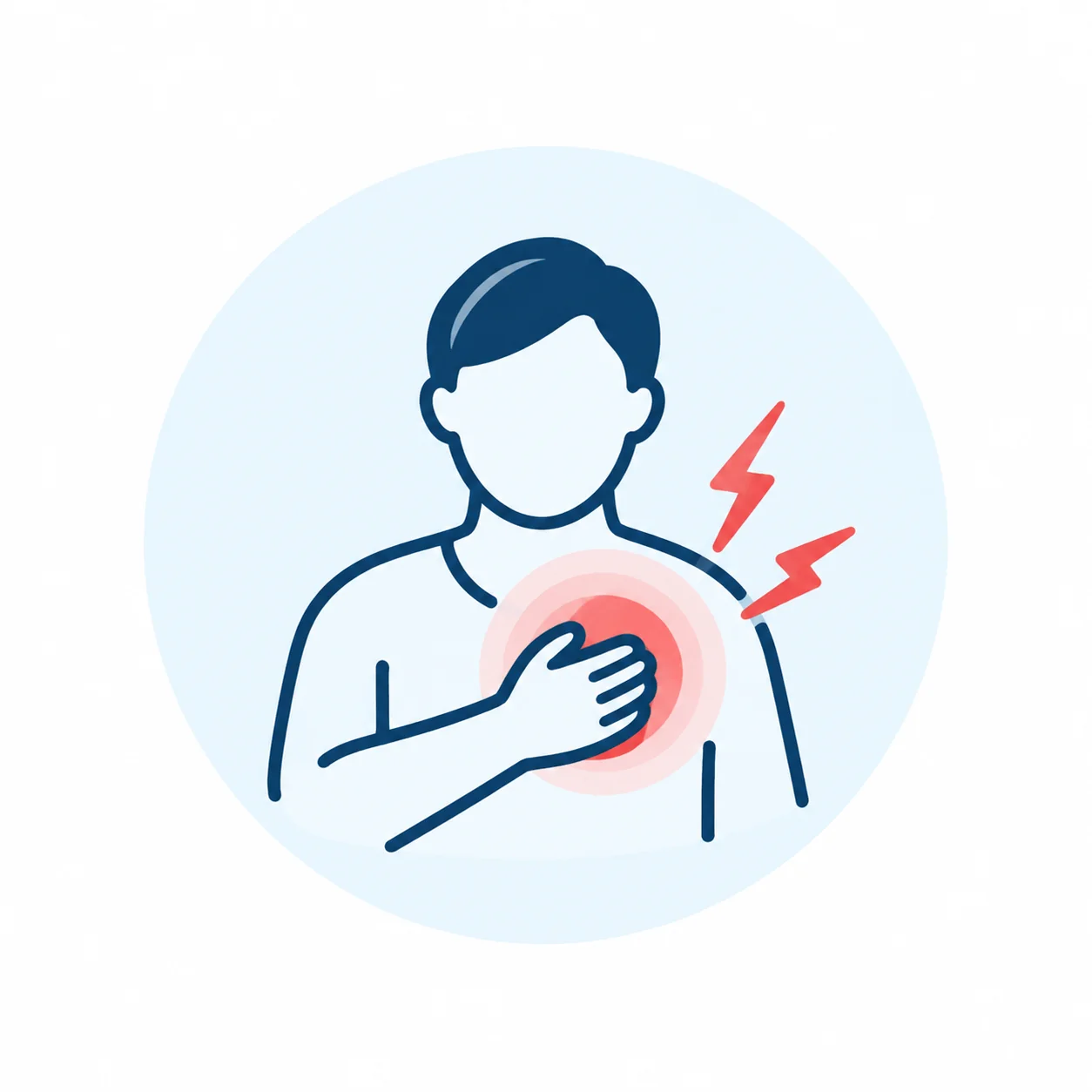
Chest Discomfort
Pressure, tightness, discomfort, or "excessive acidity" in the chest
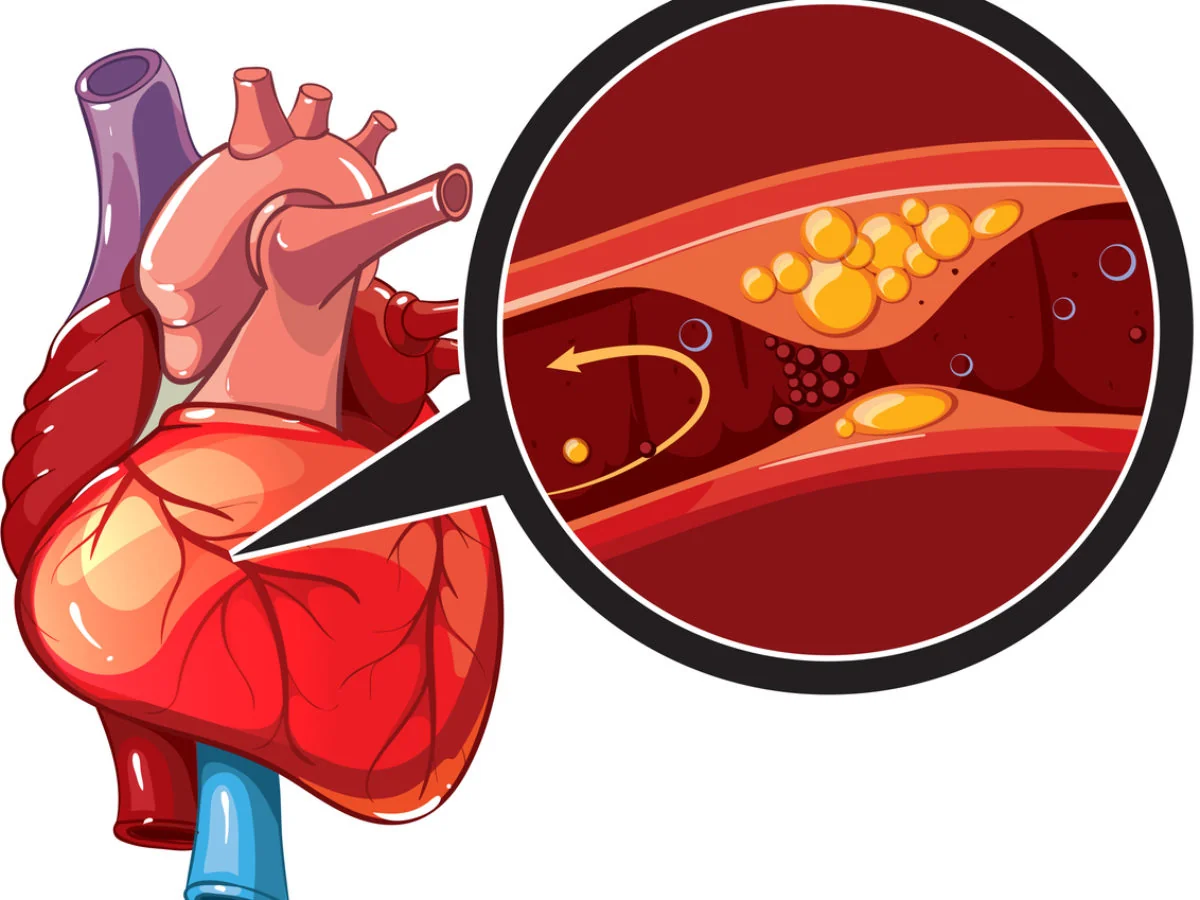
Coronary artery disease affects the blood vessels that supply oxygen-rich blood to the heart muscle. Narrowing or blockage of these arteries can reduce blood flow to the heart.
The condition can develop gradually and may sometimes remain unnoticed until symptoms become more apparent. Understanding your symptoms and cardiovascular risk factors can help guide timely evaluation.
Pressure, tightness, discomfort, or "excessive acidity" in the chest
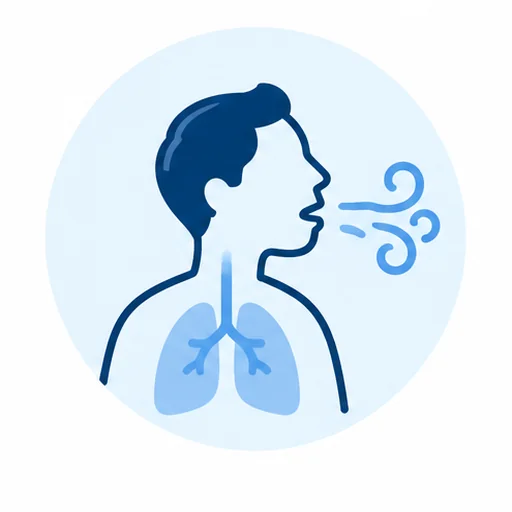
Shortness of breath, particularly with exertion, can sometimes be associated with reduced blood flow to the heart.

Sudden, unexplained cold sweating can be a heart attack warning sign. If accompanied by chest discomfort, breathlessness or dizziness, seek emergency medical help immediately.
Evaluation depends on your symptoms, medical history, cardiovascular risk factors and clinical findings. Your cardiologist may recommend appropriate tests to understand your cardiovascular health.
A comprehensive multi-parametric assessment includes review of symptoms, medical history and cardiovascular risk factors.
Appropriate cardiac investigations may be recommended based on your individual situation like ECG, Echo, Treadmill test etc..
Selected patients may require detailed assessment of the coronary arteries like a CT scan or an angiogram.
Treatment is selected based on the severity of disease, symptoms, cardiovascular risk and the findings from your evaluation.
Prescribed medicines help relieve chest pain, control cholesterol and blood pressure, and reduce the risk of blood clots and heart attacks.
02Patients with severe blockages may require stents to open the blockages and allow proper blood flow.
03When blockages are many or present at certain specific locations, bypass surgery may be required (and preferred over angioplasty)
If you experience sudden severe chest discomfort, breathlessness, fainting or other concerning symptoms, seek immediate medical attention.
Clear answers to common questions about symptoms, evaluation and treatment.
View All FAQs →Most heart attacks occur when a cholesterol-rich plaque in a coronary artery ruptures or erodes, causing a blood clot that suddenly blocks blood flow to heart muscle.
Yes. A plaque that was not severely narrowing the artery can rupture suddenly and form an occlusive clot. Studies suggest that blockages as low as 10% can cause heart attack.
Stable angina is predictable chest discomfort caused by temporary inadequate blood flow, usually during exertion. A heart attack involves prolonged reduction (or complete cessation) of blood flow which leads to injury to the heart muscle. The blood flow can be made better with angioplasty, but injury to the heart muscle is usually permanent.
Plaque rupture is related to inflammation, plaque composition, mechanical stress, and multiple biological factors. It is not usually caused by a single food, activity, or stressful event.
Important contributors include diabetes, smoking, abnormal cholesterol, central obesity, sedentary lifestyle, air pollution, stress, and genetic susceptibility. South Asian populations also tend to develop metabolic risk at lower BMI levels. Erratic lifestyle, reduced physical activity, prolonged sitting, and smoking are few of the most prevalent risk enhancers.
