Leg Pain While Walking
Pain or discomfort in the legs during walking that improves with rest can be associated with reduced arterial blood flow.
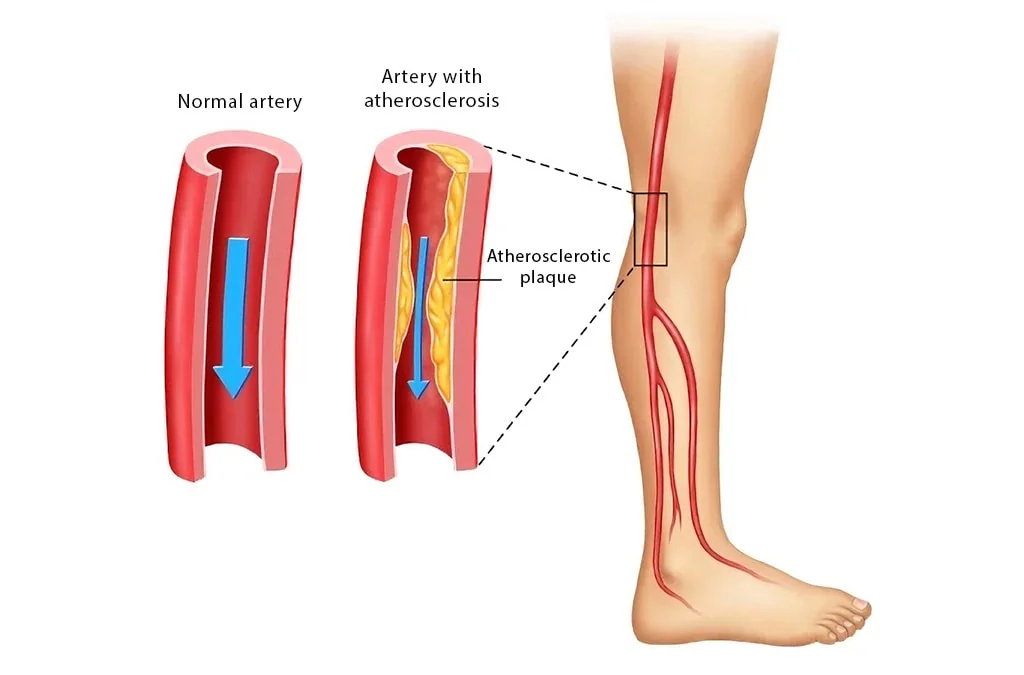
Peripheral vascular conditions affect blood vessels outside the heart, including arteries supplying the legs, kidneys and other parts of the body.
Narrowing or blockage of these vessels can reduce blood flow and may cause symptoms such as leg discomfort while walking, changes in circulation or other vascular symptoms.
Pain or discomfort in the legs during walking that improves with rest can be associated with reduced arterial blood flow.
Changes in skin temperature or colour may occur when blood supply to a limb is reduced.
Persistent wounds or changes in the skin of the legs or feet may require vascular evaluation.
Symptoms, circulation and relevant medical history are evaluated.
Appropriate vascular imaging may be used to identify narrowing or blockage in affected blood vessels.
The findings help determine whether observation, medical management or an intervention may be appropriate.
A catheter-based procedure that may be used to improve blood flow through selected narrowed vessels.
02Selected patients with significant renal artery narrowing may require specialised evaluation and treatment.
Learn More → 03Catheter-based treatment may be considered for selected blockages affecting major lower-limb vessels.
Learn More →Sudden severe limb pain, significant colour change, coldness or loss of sensation can require urgent medical evaluation.
Clear answers to common questions about symptoms, evaluation and treatment.
View All FAQs→Peripheral artery disease is narrowing of arteries outside the heart, most commonly those supplying the legs. It usually results from fatty plaque build-up and is associated with increased heart attack and stroke risk.
Yes. Cramping in the calf or thigh that appears during walking and improves with rest may indicate reduced blood flow, called claudication. Joint, muscle and nerve conditions can cause similar symptoms, so evaluation is important.
Diagnosis may involve a physical examination, ankle-brachial index testing and Doppler ultrasound. CT, MR or catheter angiography may be needed to assess the location and severity of blockages.
Yes. Selected blockages can be treated with catheter-based techniques such as balloon angioplasty or stenting. Medicines, exercise and risk-factor management remain important parts of treatment.
Carotid artery disease is narrowing of the neck arteries that supply the brain. Plaque or clots can interrupt blood flow and cause a stroke. Treatment may include medicines and, in selected patients, surgery or carotid stenting.
